Life Skills Every 15-Year-Old Should Learn Now
What life skills should a 15 year old have?
By 15, teens are balancing school, friends, and growing independence. The most helpful life skills at this age aren’t about being “fully grown”—they’re about handling everyday responsibilities with confidence, making safer choices, and knowing how to ask for help when needed.
Answer
A well-rounded set of life skills for a 15 year old includes practical independence, healthy communication, basic money habits, and strong personal safety. Here are the core areas that matter most.
Personal responsibility and self-management
Teens benefit from managing a schedule (schoolwork, activities, deadlines), setting reminders, and breaking big tasks into smaller steps. Keeping a simple routine for sleep, hygiene, and nutrition also supports mood and focus.
Communication and relationship skills
Clear communication includes speaking up respectfully, listening without interrupting, and handling disagreement without escalation. Learning to set boundaries, recognize peer pressure, and choose friends who respect those boundaries is equally important.
Money basics
At 15, a teen should understand how to track spending, save toward a goal, and compare prices. If they earn money, they should know the difference between gross and take-home pay and how to prioritize needs over impulse buys.
Home and everyday practical skills
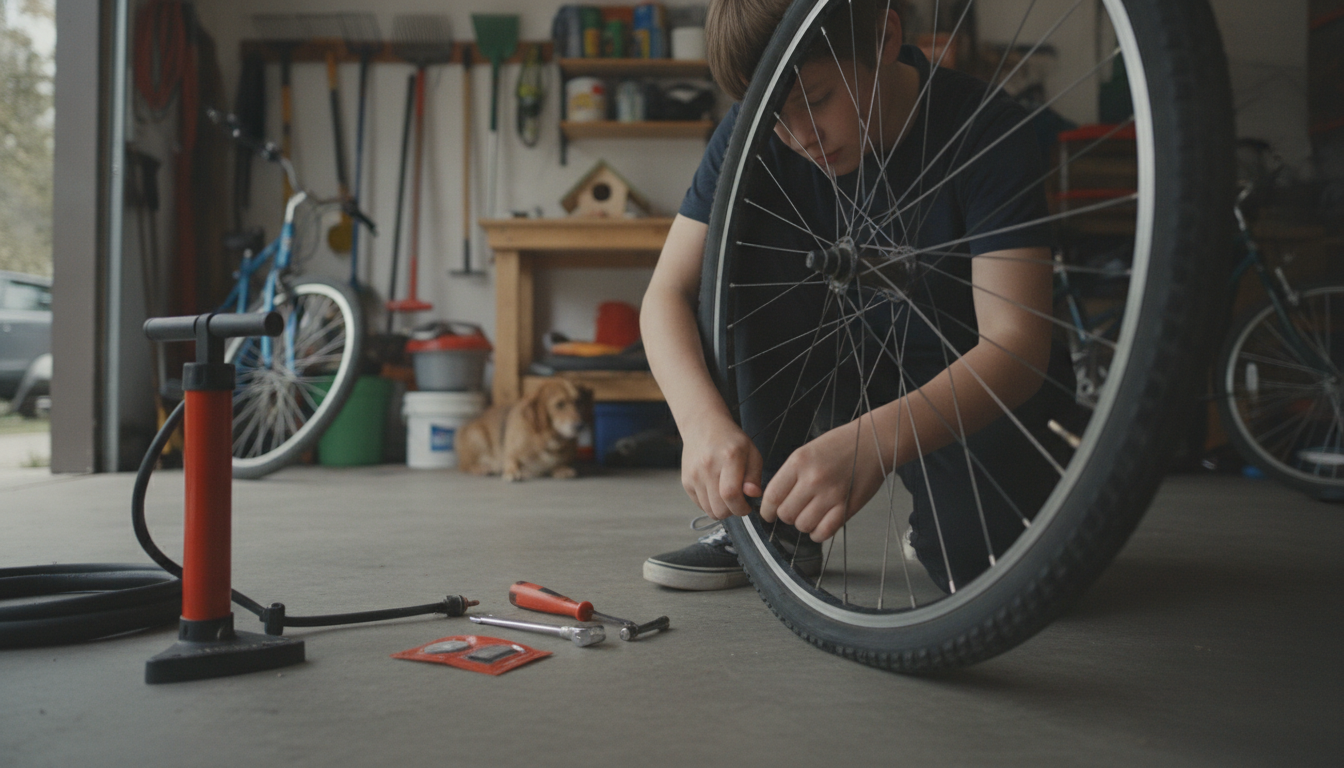
Useful skills include doing laundry, cleaning a bathroom, making a few simple meals, and following basic food safety. Knowing how to use common tools safely, replace a battery, or read instructions builds confidence and reduces reliance on others.
Digital safety and critical thinking
Strong life skills include using privacy settings, spotting scams, and understanding that screenshots and shared messages can become permanent. Teens should also practice evaluating sources, recognizing misinformation, and pausing before reacting online.
Health, safety, and decision-making
Knowing when to seek help, how to handle stress, and how to respond in emergencies (calling 911, sharing location, contacting a trusted adult) can be lifesaving. Decision-making improves when teens practice weighing consequences and planning a safer alternative.
For a deeper breakdown and age-appropriate examples, visit the complete guide on life skills for teens.
FAQ
How can parents help a teen build independence without pushing too hard?
Start with small responsibilities and clear expectations, then increase freedom as follow-through improves. Offer choices, let natural consequences teach when safe, and stay available for support rather than taking over.












Leave a comment